
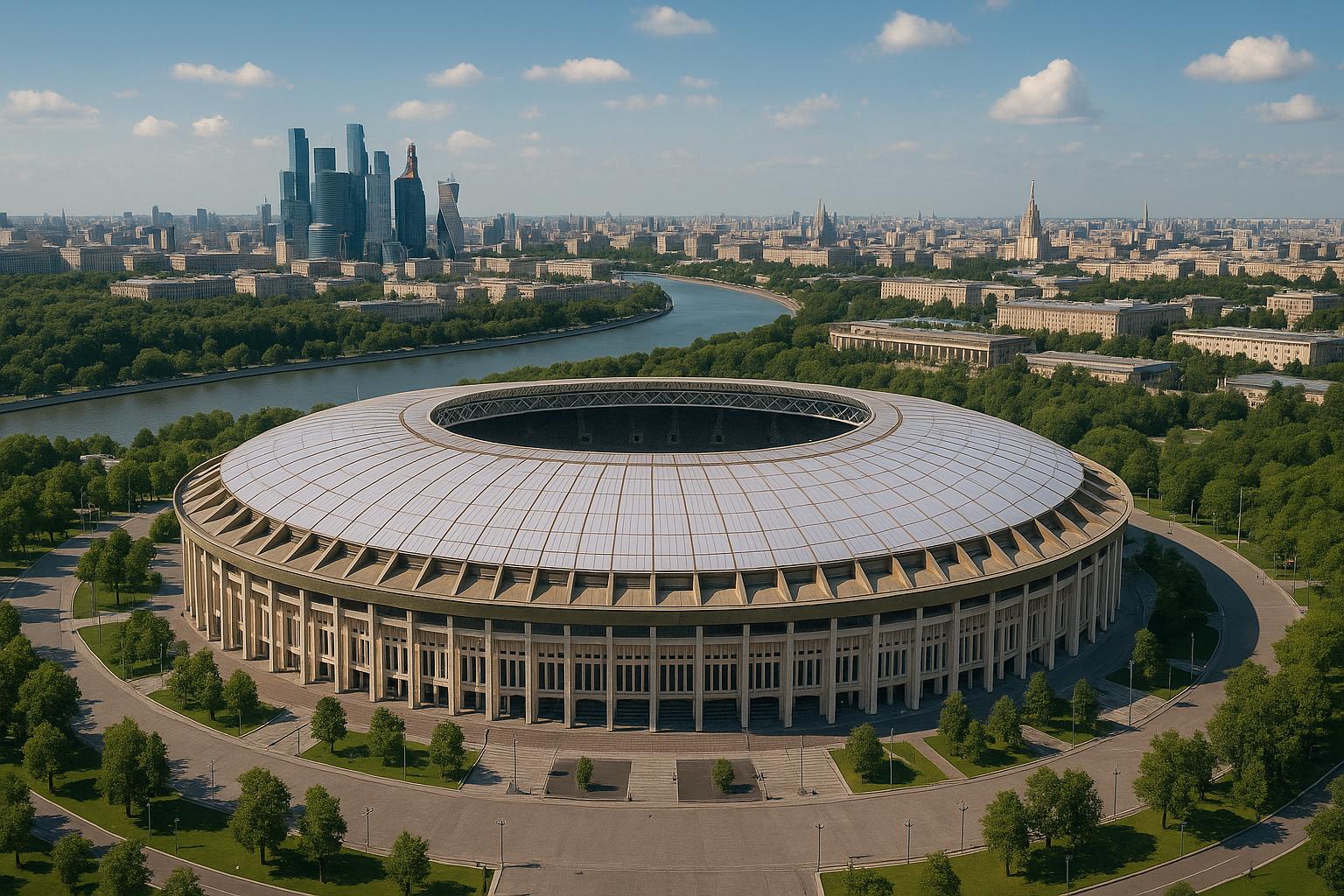
Luzhniki Stadium: An Architectural and Cultural Landmark
Luzhniki Stadium, located in Moscow, Russia, stands as a monumental edifice in the realm of sports and entertainment. With a history steeped in international significance, the stadium represents a blend of rich tradition and modernity. It was originally completed in 1956, and over the years, Luzhniki Stadium has seen numerous renovations that have preserved its historical integrity while adapting to contemporary needs.
Historical Significance
The genesis of Luzhniki Stadium dates back to the post-war era when the Soviet Union embarked on a mission to fortify its national identity through the promotion of physical fitness and international sportsmanship. Built originally as the Grand Arena of the Central Lenin Stadium, the structure was envisioned as a testament to Soviet prowess in sports. By hosting numerous prestigious gatherings, the stadium has amassed a legacy that echoes its historical significance on the global stage.
In 1980, the stadium ascended to international prominence by hosting the Summer Olympics. This event was more than just a sporting competition; it was a diplomatic platform, a showcase of Soviet capacity to host a global event amidst political tensions such as the Olympic boycott led by the United States. The architectural style of the stadium, reflecting the Soviet architectural ethos, was designed to accommodate a substantial number of spectators while supporting a wide range of athletic and cultural activities.
Major Renovations
Over the years, Luzhniki Stadium has been meticulously renovated to uphold its relevance and comply with international standards. A significant renovation phase occurred between 2013 and 2017, primarily motivated by the impending 2018 FIFA World Cup, for which the stadium had to meet stringent FIFA guidelines. The renovation was a comprehensive endeavor to expand seating capacity, which now allows approximately 81,000 spectators, thus enhancing both the comfort of spectators and the facility’s infrastructure.
The renovations were carried out with a sensitive approach towards conserving the historical visage of the stadium. The aim was clear: to harmonize the new with the old. The meticulous preservation efforts ensure that the cultural legacy of the stadium remains undiminished even as it embraces modernity.
Key Events
Throughout its existence, Luzhniki Stadium has served as the venue for an array of high-profile events beyond the realm of the 1980 Olympics. The 2018 FIFA World Cup marked a new chapter in its history, with the stadium hosting the opening match, semi-finals, and the grand finale. This event reemphasized Luzhniki’s status as a world-class venue.
Beyond sports, the stadium has evolved into a celebrated venue for concerts and cultural gatherings. Esteemed international artists have graced its grounds, transforming it into a hub for cultural exchange and entertainment. These diverse events reinforce the narrative that Luzhniki is more than just a sports arena; it is a vital cultural institution in Moscow.
Architectural Design and Features
The architectural design of Luzhniki Stadium is a masterful fusion of classic Soviet style with modern amenities. The stadium’s bowl design ensures excellent sightlines, granting every spectator an unobstructed view of events. Such an arrangement enhances the engagement and experience of attendees.
The latest renovations saw the introduction of a new roof, which not only augments the stadium’s aesthetic appeal but also improves its acoustics. Advanced lighting systems and state-of-the-art sound technology have been integrated, giving Luzhniki the versatility to handle a range of events, from thrilling sports matches to large-scale concerts, seamlessly.
Access and Location
Situated strategically in the Khamovniki District of Moscow, Luzhniki Stadium boasts exceptional accessibility. Its location along the scenic Moskva River offers picturesque views and adds to the charm of visiting the stadium. The transportation network surrounding Luzhniki Stadium is well-established, with easy access via public transportation options such as the metro and bus services. This connectivity ensures that spectators and visitors can reach the stadium conveniently from various parts of the city.
Furthermore, the surrounding area of Luzhniki provides a vibrant atmosphere, enriched with recreational spaces and amenities that complement the stadium experience. Visitors can immerse themselves in the cultural vibrancy of Moscow, making a visit to the stadium an enriching journey beyond just attending a sporting or cultural event.
Luzhniki Stadium continues to serve as a beacon of Russia’s steadfast commitment to the promotion of sports and the cultivation of cultural vitality. As the largest stadium in Russia, its allure extends beyond national boundaries, drawing visitors globally to witness its splendor and partake in its historic and contemporary events. For those seeking more comprehensive information on Luzhniki Stadium, the official Luzhniki Stadium website serves as a valuable resource.