
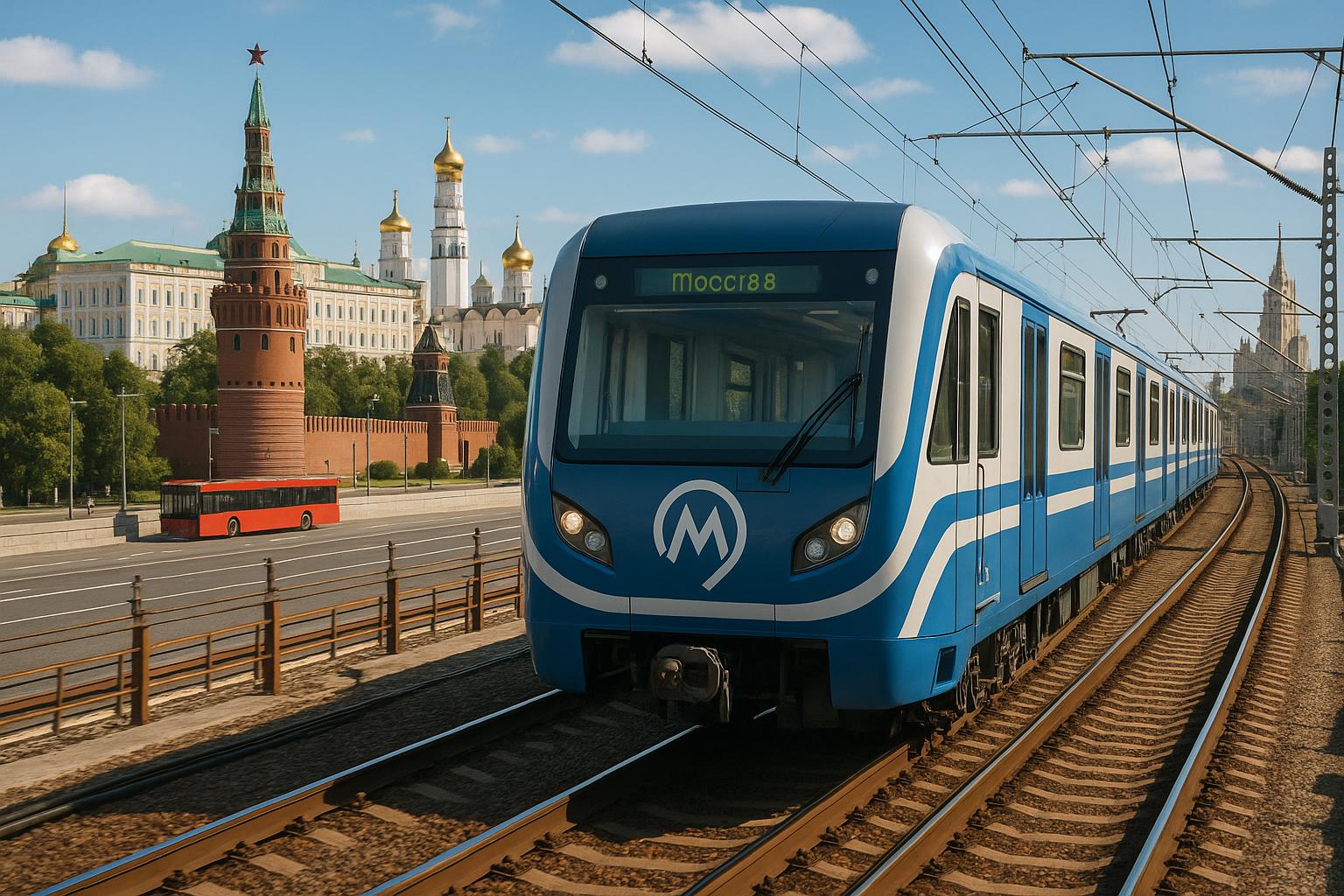
Overview of Public Transportation in Moscow
The public transportation system in Moscow is extensive and efficient, designed to cater to the needs of millions of residents and visitors alike. It comprises various modes of transportation, including the metro, buses, trams, and trolleybuses, which seamlessly interconnect to offer comprehensive coverage across the city.
The Moscow Metro
The Moscow Metro stands as one of the pillars of the city’s transport network. Opened in 1935, it is renowned for its architectural beauty and efficiency. The metro consists of multiple lines that weave through the city, facilitating ease of travel. With a focus on reducing travel time, metro stations are strategically located to ensure accessibility to key areas. More information can be found on the official Moscow Metro website.
Art and Architecture
The metro stations are admired not just for their functionality but also for their stunning architecture and intricate designs. Many stations feature marble walls, high vaulted ceilings, and mosaics, making them akin to underground galleries. Each station is distinct, with unique elements that reflect different periods of Russian history and culture, akin to a visual history book of the nation’s rich heritage. The stations provide an immersive experience for commuters and tourists alike, offering not only transportation but also a cultural journey.
Operational Hours and Frequency
The metro operates from approximately 5:30 AM to 1:00 AM, with trains running frequently to minimize waiting times. During peak hours, intervals can be as short as 90 seconds, ensuring efficient movement of passengers even at busy times. This frequent service schedule is crucial for managing the high volumes of commuters during peak times, accommodating the needs of the city’s busy workforce as well as tourists exploring the city.
Buses, Trams, and Trolleybuses
Apart from the metro, Moscow’s surface transport systems, including buses, trams, and trolleybuses, provide vital connections. These services cover areas not immediately accessible by metro, making them indispensable for comprehensive urban mobility.
Coverage and Schedule
Bus routes are extensive, linking various parts of the city and suburbs. Most buses operate from early morning until late at night. Trams, while lesser in number than in the past, still run along important routes. Trolleybuses serve as an eco-friendly alternative, utilizing overhead power lines to operate. These options ensure that all neighborhoods and boroughs, both central and peripheral, are well-connected. The combination of buses, trams, and trolleybuses complements the metro by extending the reach of the public transport network into every nook of the city, thereby increasing its accessibility and convenience.
Payment and Ticketing
A unified payment system facilitates ease of use across all forms of public transportation in Moscow. The Troika card is a rechargeable contactless card that can be used for metro, buses, trams, and trolleybuses. Purchasing and recharging the card can be conveniently done at metro stations, kiosks, or online. This integrated payment system simplifies fare transactions, ensuring that passengers can move seamlessly between different modes of transport without needing to purchase separate tickets. The system also reflects a move towards a cashless society and enhances the overall efficiency and user-friendliness of the transportation network.
Recent Developments
Efforts continue to further enhance the efficiency and reach of Moscow’s public transportation network. New metro lines are being developed to better serve growing areas of the city. These developments not only cater to growing residential zones but also serve booming commercial areas, thereby supporting economic growth. Additionally, the introduction of electric buses aims to reduce emissions and contribute to a greener cityscape. This shift towards sustainable transportation solutions aligns with global trends of reducing urban carbon footprints, promoting a cleaner and healthier environment for Moscow’s residents.
Conclusion
Public transportation in Moscow is a robust, well-integrated system that serves as the backbone of city life. Its continued development reflects Moscow’s commitment to providing efficient, reliable, and sustainable transport solutions for its inhabitants. As the city grows and evolves, its public transportation network is poised to adapt, ensuring that it remains a world-class example of urban mobility. By continually investing in and expanding this network, Moscow not only addresses current transit needs but also anticipates future demands, thus securing its place as a leader in public transportation. Future enhancements, driven by technological advancements and environmental considerations, will likely only augment the importance and capabilities of Moscow’s already impressive transportation system.