
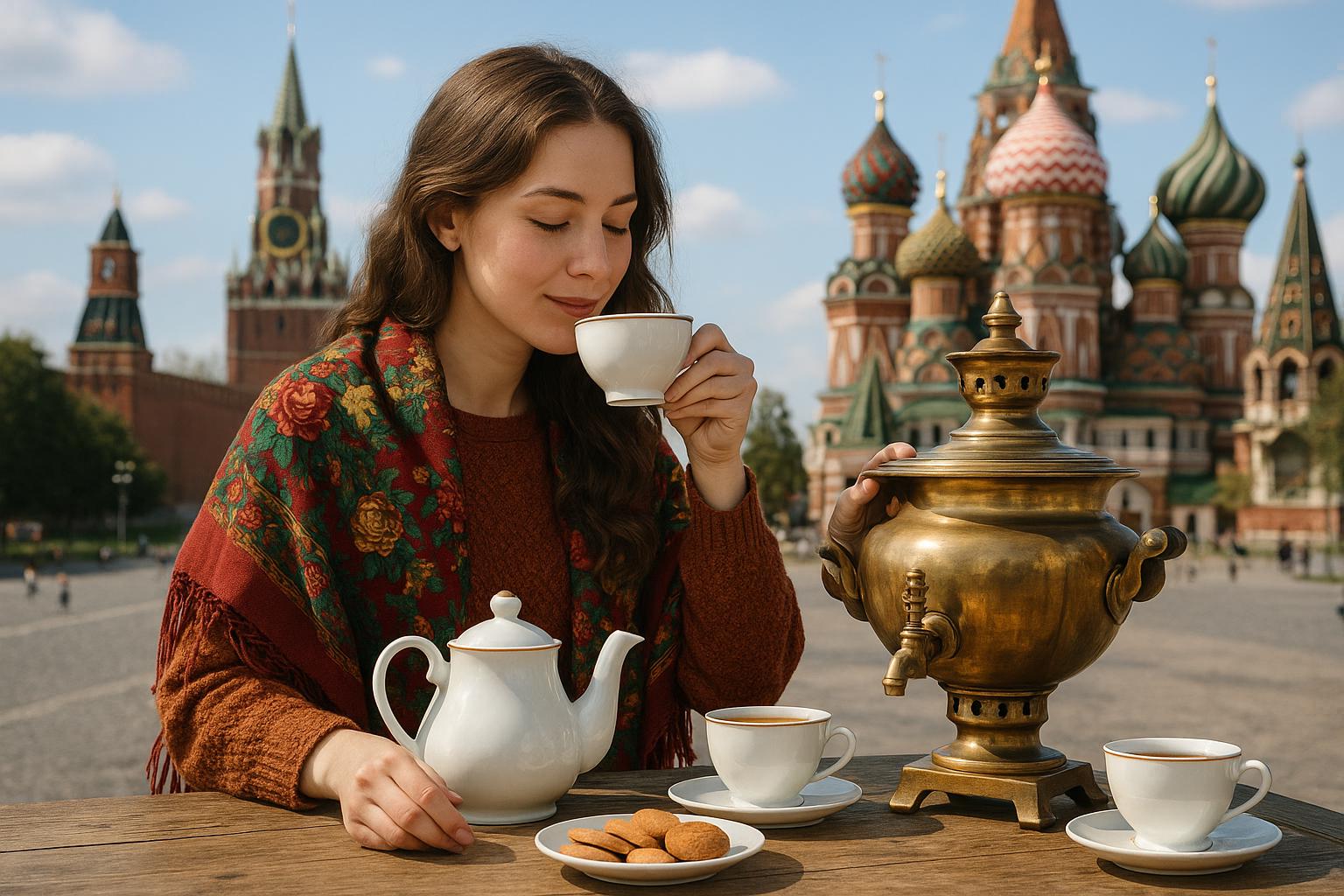
The Origins of Tea Culture in Moscow
Tea culture in Moscow is not just a modern phenomenon; it has a rich and storied history that extends back several centuries. Tea made its initial appearance in Russia during the 17th century, introduced to the region via caravan routes originating in China. This exotic beverage quickly captivated the Russian elite, and its popularity spread throughout the society. By the 19th century, Moscow established itself as a pivotal hub for the tea trade, facilitating the development of a distinctive Russian tea culture that continues to thrive today.
The Russian Tea Ceremony
A central element of Russian tea culture and ceremony is the use of the samovar, a traditional metal container used to heat water. Often elaborately decorated, the samovar is prevalent in Moscow homes and plays an integral role in the Russian tea ceremony. This ceremony typically begins with heating the samovar to prepare hot water. Next, a concentrated tea known as zavarka is brewed. This concentrated tea provides a strong base and is diluted with hot water to individual taste preferences. Accompanying the tea, guests generally enjoy an assortment of snacks, which may include cookies, jams, and various types of bread. This sense of gathering and sharing around tea underscores the social importance that tea holds in Russian culture.
Tea Houses in Moscow
Another key feature of the tea culture in Moscow is the prevalence of tea houses, or *chaykhanas*. These establishments serve as vibrant social hubs where people gather to relax and enjoy an array of tea varieties. Moscow’s tea houses offer a rich selection of teas, spanning from traditional black teas to creative herbal and specialty blends. Patrons have the opportunity to enjoy teas brewed via traditional methods, often with the assistance of expert tea sommeliers. The atmosphere within these tea houses fosters a communal spirit, encouraging patrons to leisurely enjoy their beverages while engaging in conversation and socializing.
Modern Tea Culture Trends
In recent years, there has been a notable resurgence of interest in tea culture particularly among Moscow’s younger generations. This renewed enthusiasm encompasses a movement towards artisanal teas and unique blends, as well as the exploration of modern brewing techniques. Numerous tea festivals and events have become increasingly popular, providing enthusiasts with platforms to express their passion and expand their knowledge. Additionally, trendy cafes around Moscow have begun incorporating tea-based beverages into their offerings, contributing to the city’s vibrant and evolving tea landscape. These modern trends coexist with traditional practices, reflecting the dynamic nature of tea culture in the contemporary era.
Conclusion
Tea culture in Moscow represents a dynamic tapestry interwoven with rich traditions and modern innovations. From the historical significance of the samovar and the ceremonial aspects it conveys, to the contemporary trends seen in cafes and tea houses, tea remains an integral part of Moscow’s cultural and social fabric. Whether savored within the comfort of one’s home or shared in the bustling environment of a tea house, the Moscow tea experience continues to be a distinctive tradition marked by both cultural significance and communal joy.
In conclusion, the evolution of tea culture in Moscow reflects broader historical, social, and culinary trends. It serves as a testament to the city’s ability to adapt and integrate new influences while preserving its unique cultural heritage. The enduring presence of tea in Moscow is an example of how longstanding traditions can remain vibrant and relevant in a modern context, offering a bridge between the past and the present.