
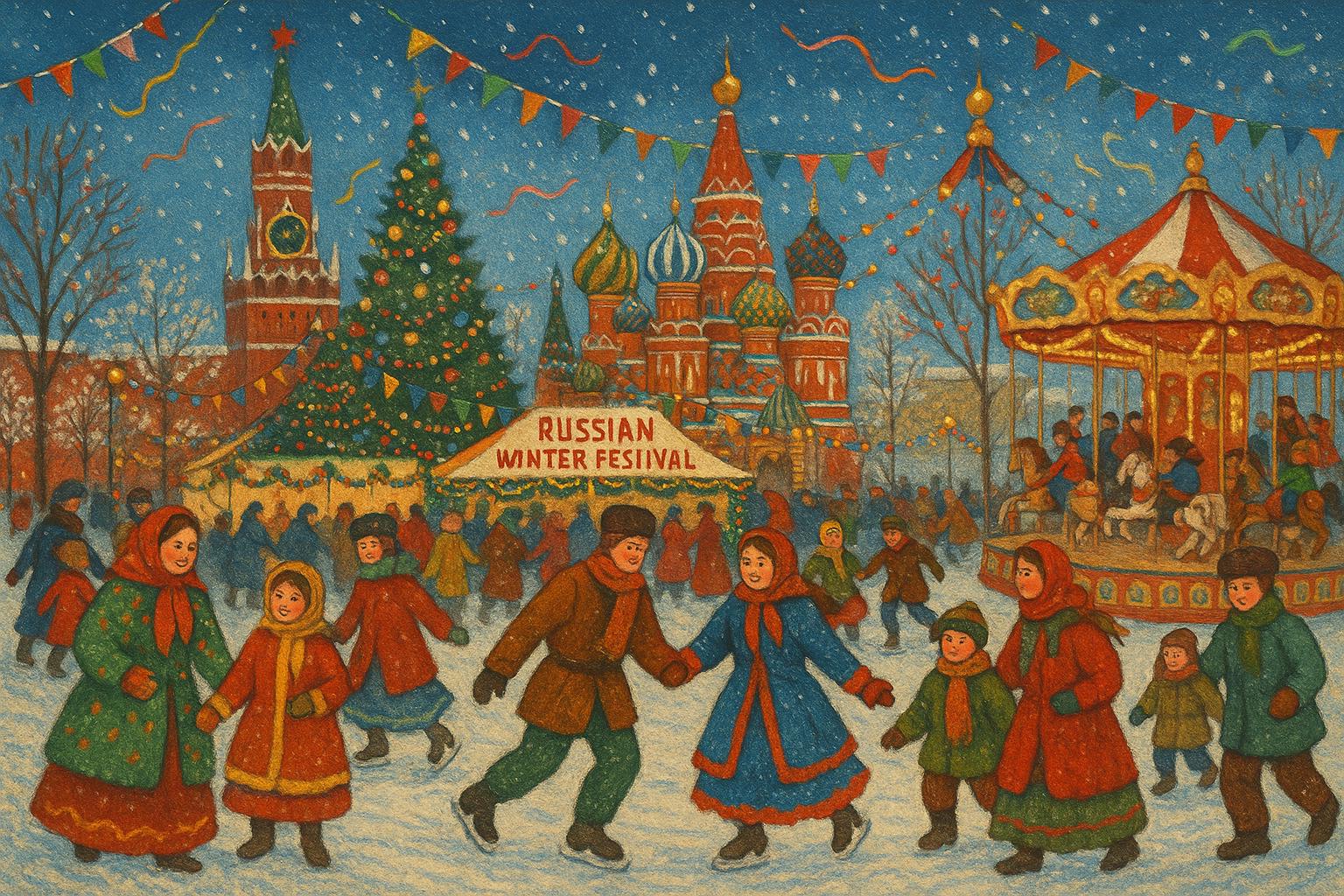
Introduction to the Russian Winter Festival
The Russian Winter Festival stands as a vibrant and comprehensive celebration, deeply emblematic of Russia’s rich cultural and historical tapestry. Typically spanning from December to January, this festival not only commemorates the Christmas and New Year holidays but also reverently celebrates Russia’s distinctive winter customs. The festival draws locals and international visitors, offering a multifaceted glimpse into the traditions that define Russian winter festivities.
Historical Background
The historical roots of the Russian Winter Festival delve into ancient pagan traditions, where the winter solstice was revered as a period of renewal and a herald of the coming spring. These early celebrations were centered around the natural cycle of the seasons, marking a time for communities to gather and celebrate the passage from darkness to light. As time progressed, these pagan customs evolved and intertwined with Christian celebrations, giving birth to the festival as it is recognized today. This amalgamation of diverse cultural practices has imbued the festival with a unique character, rendering it an essential component of Russian cultural heritage.
Main Features of the Festival
Folk Performances
Central to the Russian Winter Festival are traditional Russian music and dance performances. These performances underscore the festival’s cultural richness, featuring folk instruments such as the balalaika and the accordion. Performers often don vibrant, colorful costumes that reflect a harmonious blend of traditional Russian folk influences and modern stylistic elements. These performances are not merely entertaining but also serve as a crucial aspect of cultural preservation, providing a platform for passing down artistic traditions to future generations.
Ice and Snow Sculptures
A significant highlight of the festival is the creation and display of intricate ice and snow sculptures. These sculptures are not just decorative; they stand as a testament to artistic skill and creativity, often depicting famous Russian landmarks or prominent historical figures. The process of carving these sculptures is a form of artistic expression and craftsmanship, challenging artists to convey thematic depth and storytelling within the frozen medium.
Culinary Delights
Culinary exploration is another essential facet of the Russian Winter Festival. The event offers a medley of traditional dishes to savor, with a focus on hearty and comforting foods that reflect the culinary heritage of Russia. Festival-goers can indulge in classic dishes such as borscht, a savory beetroot soup, pelmeni, which are Russian dumplings, and blini, a form of thin pancakes that can be enjoyed with a variety of toppings. In addition to these delicacies, visitors can warm themselves with samovar-brewed hot tea, a beverage that not only provides warmth but also symbolizes hospitality and communal gathering.
Locations and Events
The events of the Russian Winter Festival are widespread, with celebrations occurring in various cities across the country. Some of the most renowned and elaborate celebrations take place in Moscow and St. Petersburg, where the backdrop of urban modernity intertwines with traditional settings, offering an enriched cultural experience.
Moscow Celebrations
In Moscow, the celebrations are characterized by a series of open-air events and activities that transform the iconic Red Square into a central hub of festivity. Adorned with a dazzling array of lights and hosting vibrant markets, Red Square becomes a focal point where visitors can immerse themselves in the festive spirit. The square’s transformation is indicative of the blend of historical significance and contemporary celebration. For those interested in exploring specific events or obtaining tickets to exclusive gatherings, it is advisable to consult dedicated travel resources or the official Moscow city tourism websites for the most recent information.
St. Petersburg Highlights
In St. Petersburg, the festival is a splendid showcase, featuring grand parades and spectacular fireworks displays that light up the night sky. These celebrations are often set against the backdrop of the city’s historic architecture, including buildings and monuments that add a majestic ambiance to the festivities. Ice sculptures and other artistic endeavors offer a unique spectacle, blending tradition with visual artistry. Visitors seeking to delve deeper into the cultural heritage and traditions associated with the festival might find guided tours beneficial, which can provide informative insights into the historical and cultural significance of the events and locales.
Conclusion
The Russian Winter Festival is far more than a mere celebration of the cold season; it is a profound expression of Russian culture and historical richness. By offering a diverse array of entertainment, from folk performances to culinary experiences, the festival doubles as an immersive educational experience. Attendees gain valuable insights into Russian traditions, benefiting from a storied past that continues to shape present celebrations. For those planning to visit, it is wise to check local tourism platforms for detailed information on schedules and specific events, ensuring that they can fully experience the cultural festivity’s offerings and immerse themselves in the unique traditions of the Russian Winter Festival.