
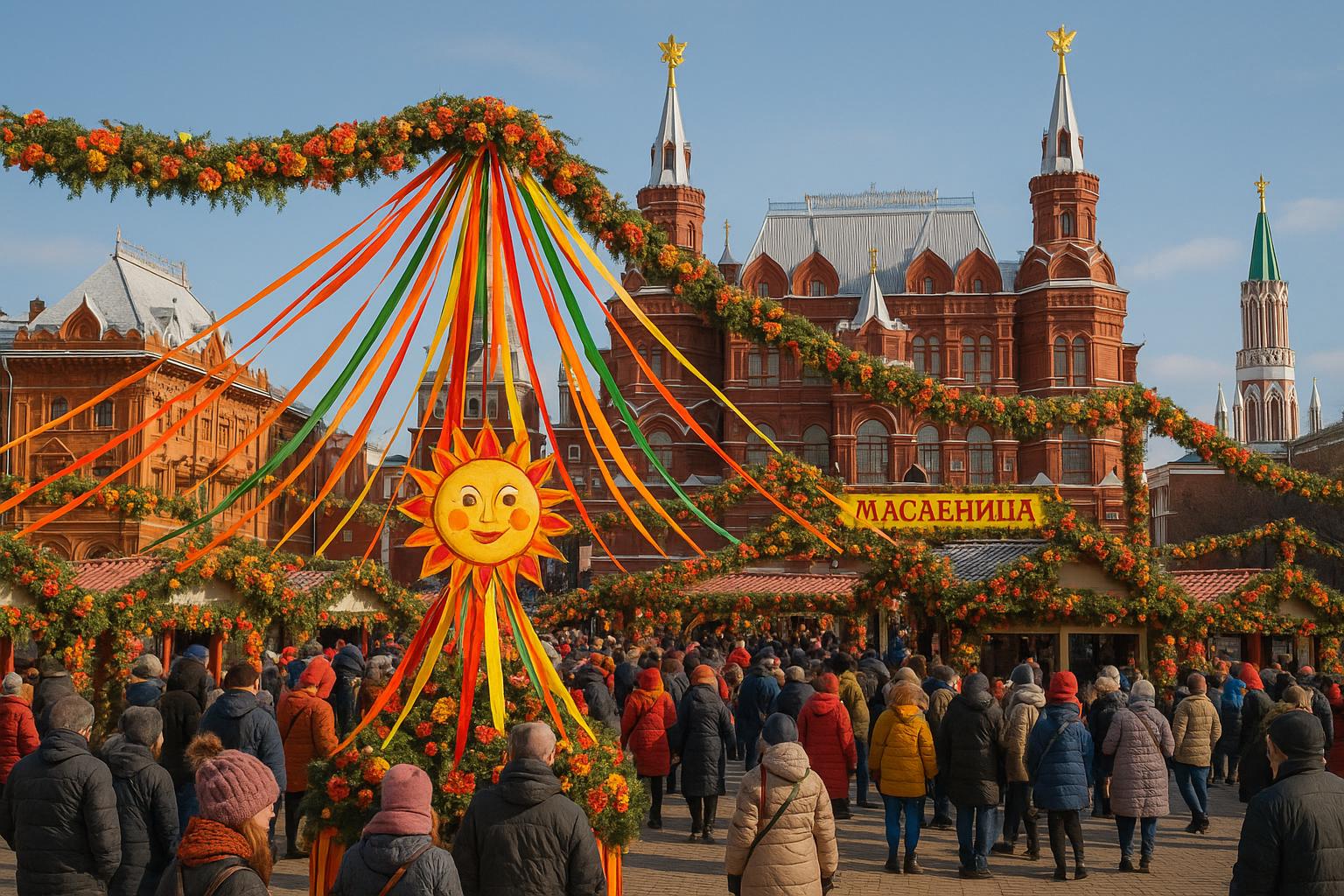
Maslenitsa: A Vibrant Russian Tradition
Maslenitsa, also known as Butter Week, is an integral part of Russian culture, celebrated with enthusiasm across various regions of the country. It serves as a bridge that transitions from the cold, bleak winter to the anticipated vibrancy of spring. This traditional festival is cherished by many and typically occurs in the week leading up to the Great Lent, a pivotal and sacred period in the Russian Orthodox calendar.
Historical Significance
The origins of Maslenitsa are steeped in both pagan and Christian traditions, giving it a rich historical tapestry. In its infancy, this joyous festival was a pagan celebration, intended as a deliberation to bid farewell to the starkness of winter while joyously embracing the promise of spring. Alongside the advent of Christianity in Russia came a transformative phase for Maslenitsa. The festival seamlessly interwove into the Orthodox Christian calendar, maintaining its traditional vibrancy while gaining spiritual significance. Its timing became emblematic, occurring just days before the Great Lent, a solemn forty-day period of fasting and reflection for devout Russian Orthodox Christians.
Traditions and Customs
A hallmark tradition of Maslenitsa is the making and sharing of bliny, or traditional Russian pancakes. These delightful pancakes are round and golden, closely resembling the sun, and signify its increasing warmth as winter fades away. Throughout the celebratory week, it’s common for families and friends to gather and delight in culinary experiences, cooking and savoring these pancakes with an assortment of delectable toppings. Popular toppings include sour cream, caviar, jam, or butter, each adding its unique flavor and texture to the dish.
Festivities: The celebration of Maslenitsa extends far beyond culinary indulgence. It is a week-long festivity brimming with various joyful activities that light up the streets of Russian cities like Moscow. In the capital city, Moscow, both locals and tourists can indulge in exhilarating activities such as sledding and participating in joyful snowball fights. The city transforms into a vibrant hub of culture with colorful fairs, and the air is filled with traditional music and dance. Areas like Red Square and Gorky Park become the epicenters of celebration, radiating with energy and merriment that draw participants from far and wide.
Burning of the Maslenitsa Effigy
Amongst all the events that mark the culmination of the Maslenitsa celebration, the burning of the Maslenitsa effigy holds unparalleled significance. This effigy, primarily crafted from straw, symbolizes the profound presence of winter, with its subsequent burning representing a ceremonial farewell to the cold season. This bonfire isn’t merely a symbolic gesture; it is a communal gathering that fosters unity, warmth, and joy among the participants. Such communal participation reinforces social bonds, making it a cherished spectacle for everyone involved.
Visiting Maslenitsa in Moscow
If you find the allure of Maslenitsa compelling and plan to witness it firsthand in Moscow, it is prudent to acquaint yourself with the event schedules in advance. The city is known for organizing a plethora of thematic events that encompass workshops and activities, each offering a glimpse into the rich local culture. Visitors can indulge in experiential workshops on traditional crafts, allowing them to try their hand at these age-old practices. Meanwhile, food stalls offer an array of local delicacies, which are a gastronomic delight for the taste buds, while performances by folk artists captivate audiences with their cultural authenticity and charm.
For more insights and detailed information on Maslenitsa events scheduled in Moscow, prospective visitors can consult the official Moscow city website. This online resource provides specifics regarding the diverse festivities and locations, enabling attendees to make well-informed travel plans to engage fully in this vibrant tradition.